


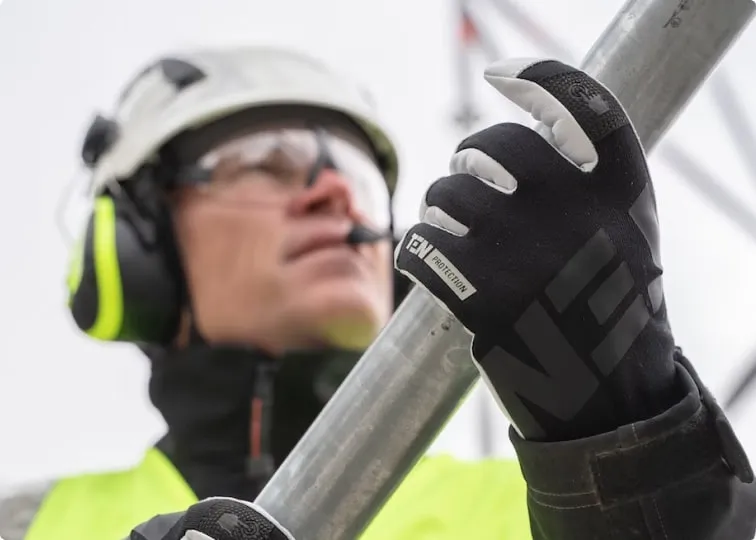
- Hearing protection should be worn whenever you need to raise your voice to be heard by someone a metre away, even if your ears feel fine afterwards.
- Workplace noise causes around 16% of adult hearing loss worldwide, and NIHL is one of New Zealand’s most common health and safety problems.
- Foam, reusable and custom-made earplugs each suit different situations, from one-off events to regular work or performing.
- Employers in New Zealand must provide appropriate hearing protection for noisy workplaces, and an Ear360 assessment is a good way to check your current hearing health.
- If you regularly use headphones, it’s also worth understanding headphones and hearing loss risk. For help choosing the right ear plugs or muffs for your situation, see our dedicated guide.
Noise-Induced Hearing Loss (NIHL) is one of the most common health and safety problems in New Zealand, especially as we spend more time around loud machinery, music, and recreational noise. According to the World Health Organisation (WHO), workplace noise is responsible for approximately 16% of adult hearing loss worldwide (Zhou et al., 2020).
The good news is that protecting your hearing is simple, and it doesn’t mean giving up the things you enjoy.
When should I wear hearing protection?
A good rule of thumb is that if you need to raise your voice to speak to someone standing a metre away, the noise is likely loud enough to damage your hearing, even if your ears seem “fine” afterwards.
What types of hearing protection are available in New Zealand?
There are many different types of hearing protection available in New Zealand, and the best option often depends on your lifestyle.
- Foam earplugs, such as those from 3M, are inexpensive and useful for short-term noisy situations, such as concerts, flights or one-off events.
- Reusable earplugs are more durable and convenient for regular use.
- Custom-made earplugs are designed to lower sound levels more evenly, making them a popular choice for musicians at concerts and live events.
Many industries across New Zealand involve regular exposure to loud noise, including farming, engineering, transport, construction and manufacturing. Wearing high-quality hearing protection consistently at work is one of the easiest ways to help preserve your hearing long term. Your employer must provide you with appropriate hearing protection in New Zealand. To find out more, visit WorkSafe here.
Protecting your hearing will allow you to stay connected to conversations, family, friends, music and everyday life for years to come. If you’ve noticed ringing in your ears, difficulty hearing in background noise, or you’re asking people to repeat themselves, booking an Ear360 assessment is a great first step toward understanding the current state of your hearing and protecting your long-term health and wellbeing.
Resonate. The Podcast

Hello! I’m Clara. After 24 years of practising audiology in New Zealand, I still think of myself as a young lady – chatty, curious and loving a good belly laugh. I was born in Zimbabwe 53 years ago and grew up in that wild and lovely country with my two sisters and two brothers. I came to New Zealand in 2002 and settled in Tauranga, where I joined the community choir and enrolled in the local library to enjoy my two life loves: music and reading.
