
Tinnitus affects around 6% of New Zealanders.
Yet it’s still widely misunderstood.
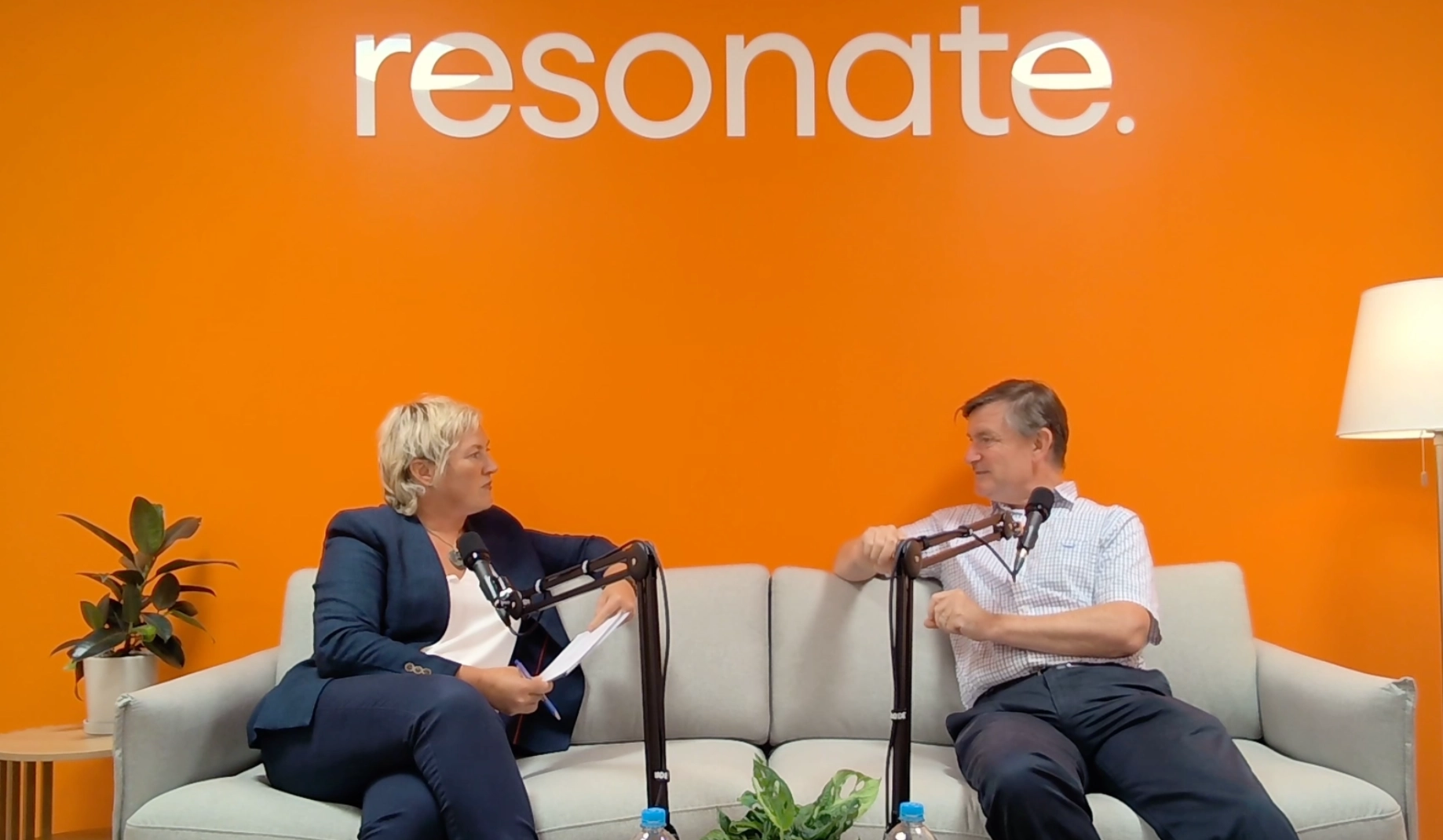
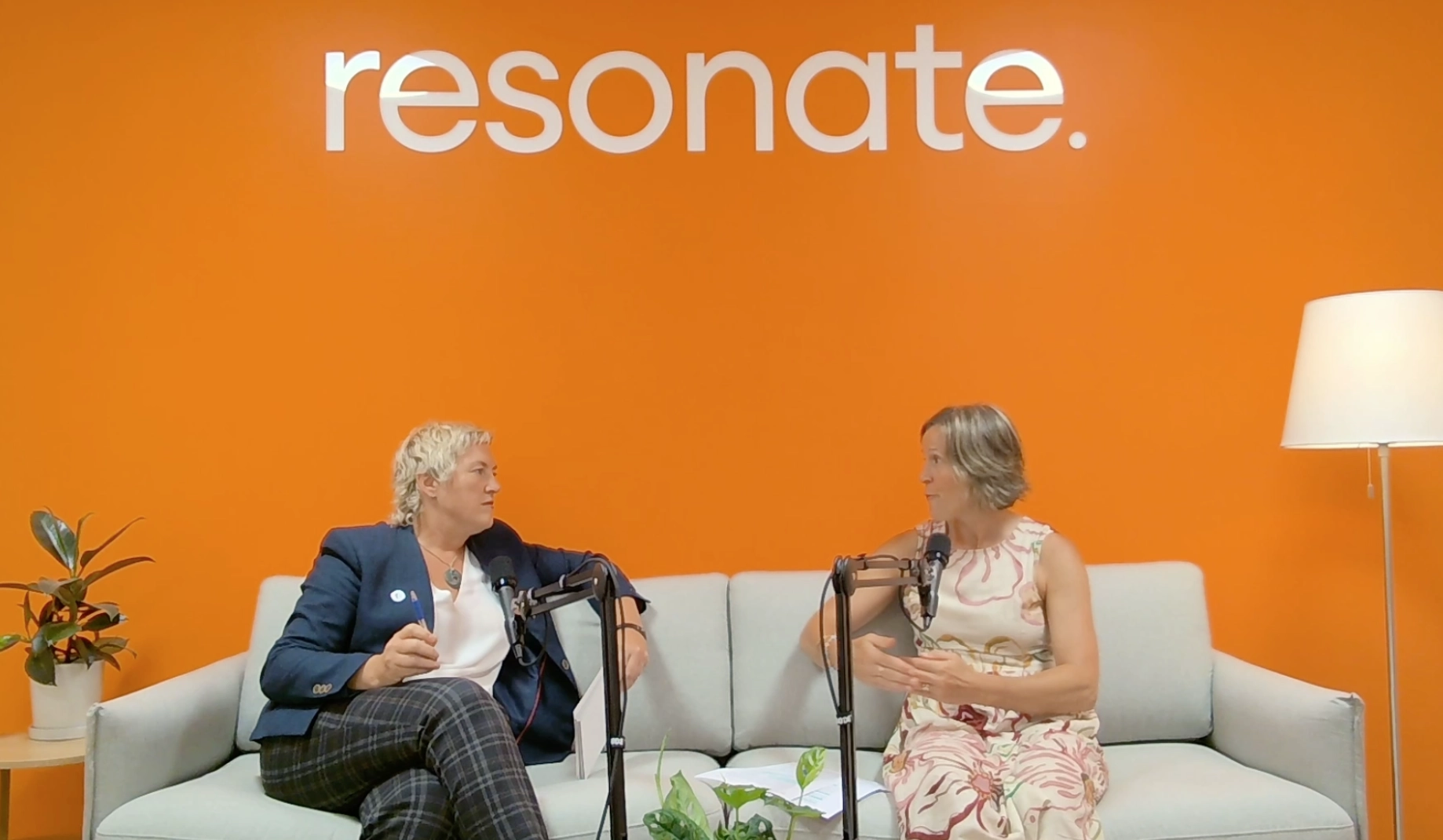
In this episode of Resonate the Podcast, Lesleigh sits down with Dr Grant Searchfield, one of the world’s leading tinnitus researchers and an audiologist who has spent decades studying how the brain processes sound.
Together they unpack what tinnitus actually is, why it happens, and why we're shifting away from “trying to fix the sound” and towards helping the brain respond to it differently.
Dr Searchfield, the Clinical Director of the University of Auckland’s Hearing and Tinnitus Clinic, collaborated on the creation of the Tinnitus Functional Index, internationally considered the gold standard measure on tinnitus’s effect on quality of life.
He explains why tinnitus is never a one-size-fits-all condition, how hearing aids and sound therapy can help the brain rebalance the way it processes sound, and what new research and technologies could mean for the future of tinnitus care.
They also talk honestly about what researchers still don’t know, the myths that continue to hold people back from seeking support, and the small steps people can take to make tinnitus easier to live with.
In this episode:
- Why tinnitus is different for every person
- Why tinnitus is more about your brain than your ears
- How hearing aids and sound therapy help manage tinnitus
- The role attention, stress, and hearing play in tinnitus perception
- What new tinnitus research and technologies are focusing on
- How the future of AI could help make tinnitus care more accessible
- The biggest myths about tinnitus
- One practical thing you can try this week if tinnitus is affecting you
No one should face tinnitus alone. If tinnitus is taking a toll on your wellbeing or you’re worried about someone close to you, visit our Tinnitus information hub for more practical information, strategies and support.
Learn more:
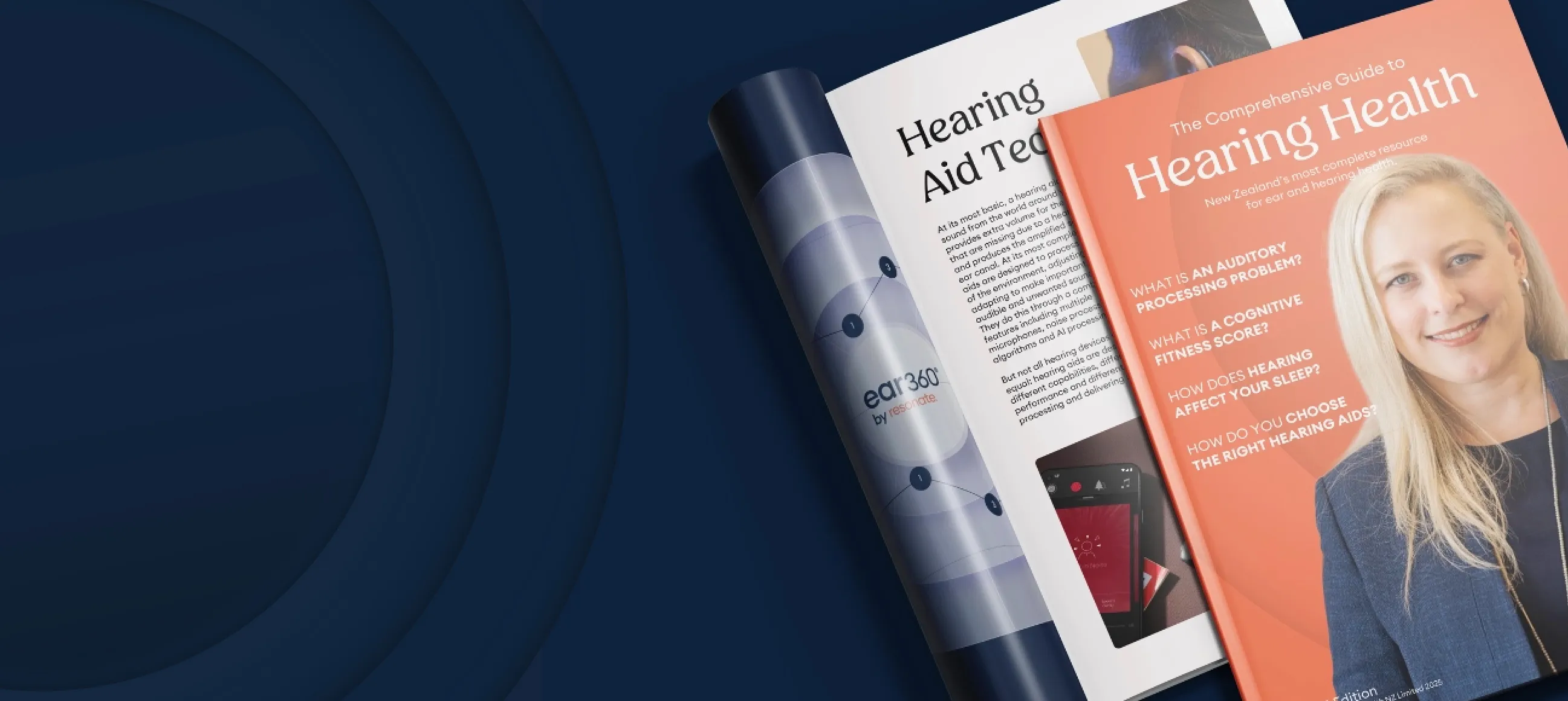
Free Guide
New Zealand’s most comprehensive resource for hearing health.
Related podcasts
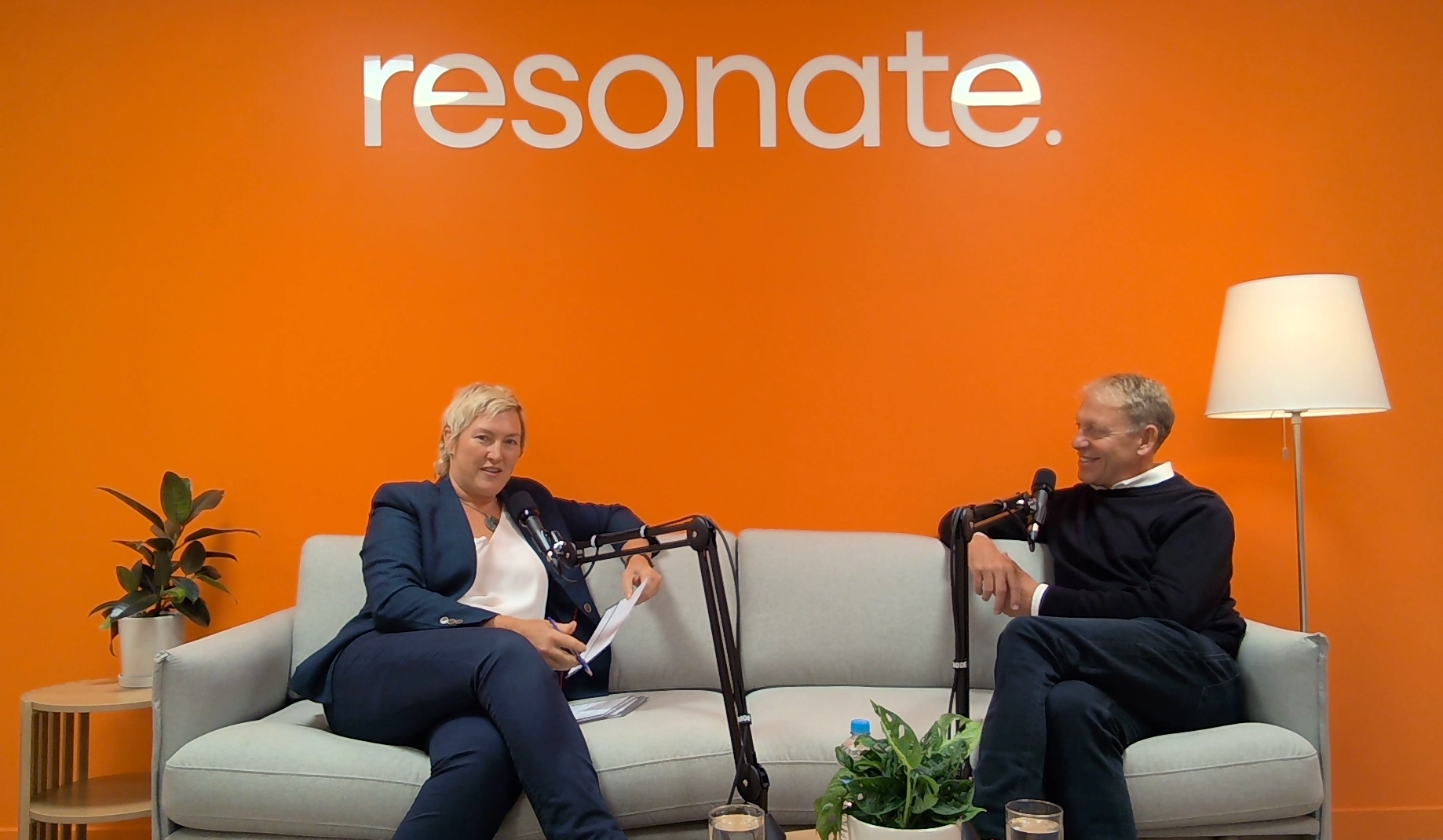
Listen to expert insights and real stories on the resonate podcast.